Artificial: The AI Curriculum Pilot That... Wasn't?

Last September, the Massachusetts Executive Office of Education put out a press release touting a "New AI Curriculum Pilot" across 30 districts, including my hometown of Millbury. According to the release, the pilot was designed to provide "students hands-on opportunities to explore the technologies shaping the future" through a partnership with educational non-profit Project Lead the Way.
I try to keep up with the goings on in my hometown, and I was surprised to hear that there was a pilot program happening in our schools without my knowing it. I searched several School Committee agendas and minutes; no mention of this pilot. I did the same for several other communities, and all had the same result: nothing at all. I asked the teenage students who work as baristas at the local coffee shop, they weren't aware of anything, either. I had a friend ask his middle school daughter, also no knowledge (but was quick to mention how much she hates AI).
So what gives? I decided to issue 30 public records requests to each participating district to find out what the pilot entailed and what's actually going on. The short answer? Less than I thought, but more than I knew.

MassTransparency and AI
First and foremost: I don't use AI.
I don't use it, I don't especially like it, I don't think it's a net positive for society in its current incarnation and have my doubts that it ever will be. I think the most prominent AI evangelists are the same people I'm unlikely to trust if they told me it was raining outside.
And yes, I tried it. And no, it didn't work all that well for me. And efforts to try again as the models "improved" saw the same problems, and so I moved on with my life. If I can't trust its output, I'll just do it myself, and that's ultimately where I come down on the issue. When I read Ethan Marcotte's quick hit blog post about AI a while back, this passage resonated with me:
Everything — everything — that comes out of these “AI” platforms is a “hallucination.” Quite simply, these services are slot machines for content. They’re playing probabilities: when you ask a large language model a question, it returns answers aligned with the trends and patterns they’ve analyzed in their training data. These platforms do not know when they get things wrong; they certainly do not know when they get things right. Assuming an “artificial intelligence” platform knows the difference between true and false is like assuming a pigeon can play basketball. It just ain’t built for it.
I understand that many believe that AI is "here to stay," that it's critical to make sure our kids understand how to use AI, technological literacy, AI literacy, what have you. I'm not here to litigate it, and while I'm definitely on the skeptical side of the AI debate, as it were, that's not why you're reading this nor is it why I looked into this.
At the same time, however, I don't think we need to boil the ocean to get AI videos of fruits getting cucked. So that's your grain of salt.
(Besides, I think the finances surrounding AI will kill it off regardless of what any of us think.)
The Public Records
I reached out to all 30 districts listed as part of the pilot. As I did not know what I was actually looking for, I kept my request broad, from the start of the pilot through early spring:
1) Communications, documentation, and / or other responsive records between administration, staff, and / or the School Committee, broadly construed, about the AI Pilot or implementation of AI tools with or including the following:
a) Massachusetts STEM Advisory Council
b) Massachusetts Technology Collaborative, including the Massachusetts AI Hub
c) Project Lead The Way
d) Department of Elementary and Secondary Education
e) The Office of the Governor and Lieutenant Governor
2) Curriculum materials, as intended for use with students, relevant or related to the AI Pilot, broadly construed.
a) This should include sample materials, if applicable.
3) Professional Development materials, broadly construed, as intended for use for administration or staff in the implementation of the AI Pilot.
a) This should include sample materials, if applicable.
4) Communications between staff, administration, teachers, and / or municipal officials and / or staff related to the AI Pilot.
a) For example, an email between members of the superintendent's office and the town manager's office about participation in the AI Pilot.
b) This should encompass *any* inter-district or inter-municipal agency communication relative to the AI Pilot, not just the example in a.
5) Any responsive records received by administration, staff, or the from members of the public regarding the AI Pilot.
a) This should include parent outreach to principals at the schools, but NOT parent outreach to teachers.
In short: how did the schools get involved, what did the professional development look like, what was the curriculum, how did the information get disseminated, how is the public reaction or feedback?
High level takeaways:
- Of the 30 requests, 10 of them did not as much as acknowledge my request, and one acknowledged the request but never followed up. There may be good reason for this because...
- ...Project Lead the Way made the schools sign a non-disclosure agreement. Now, do NDAs have the force of law when it comes to public records requests? I don't believe they do, and had I been stonewalled 30 times or if the records I did receive have more meat to them, I might have pushed the issue more. As I got basically what I needed from the responsive schools meant not having to burden them with additional work in this instance. Plus, I do wonder if some of the non-responsive schools were deliberately not acknowledging it under the belief that even mentioning the Pilot in this context would violate the NDA.
- PLTW was the only organization, based on these requests, that worked with the districts on this. No communication from DESE, or the governor's office, or anyone else. I was honestly surprised by this, because this was presented as a collaboration with MassTech and the Massachusetts AI Hub, and if the schools interacted with them at all, it's not apparent.
- I will say, on this note, that I am now curious about how Project Lead the Way got this contract to begin with. There have only been a handful of AI-focused RFPs listed on COMMBUYS, which doesn't mean anything in and of itself but is curious. More about PLTW later.
- Two districts, Bourne and Dedham, outright denied being part of a pilot at all. Dedham Superintendent Ian Kelly was angry enough to reach out to DESE about their inclusion, although he didn't respond to a further request for information on what he learned.
- A few districts wanted to charge, which is always disappointing, but I wasn't going to pay a combined $1,500 once I learned what I already had. A special call-out, however, has to go to the City of Springfield, Where Public Records Requests Go To Die. I sent my request to the schools, who promptly sent it to their central office and, after some back and forth, the office closed my request early and claimed I withdrew it. An appeal to the state office wasted more time, and I would have stuck with it more but got busy with other things. I don't think I've ever had a good experience with the City of Springfield's Public Records Office, and I don't know anyone else who has.
So What's in This Pilot, Anyway?
I think the most important takeaway of this entire thing was how insignificant this felt in comparison to how it was presented. Schools are confused, many states are pushing moratoriums on AI usage, it's all a mess. Reading the state press releases on this pilot, you'd think you had 30 school districts receiving broad-scale enablement opportunities to learn about and incorporate AI in their lessons and teaching alongside a toolbox of AI knowledge and talking points. Instead, all we got were a few professional development sessions and some sample lessons.
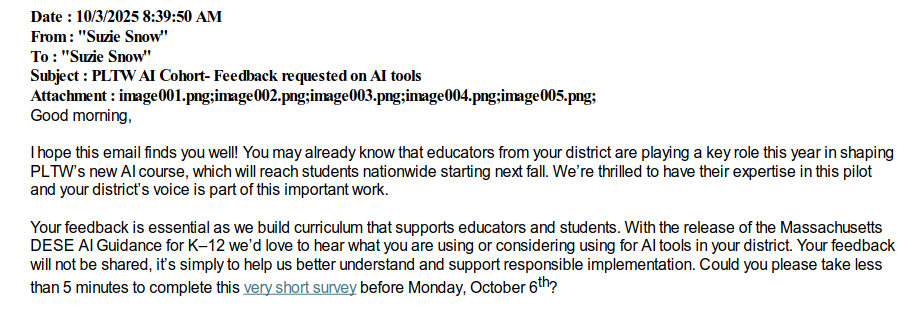
The best example of the professional development and feedback sessions was from Carver. One teacher from October wrote:
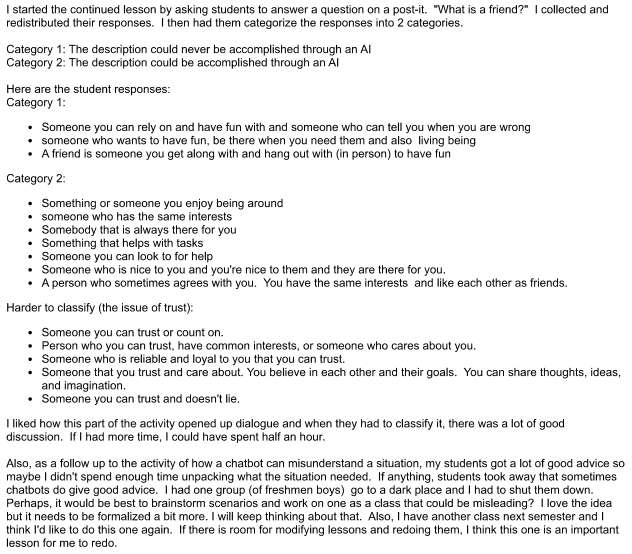
Later, they shared a slide deck that appears, in part, to be from some PLTW materials and seemingly directed toward students, but sometimes staff? Still, the slides shared some responses, and I thought they were kind of interesting in that there seems to be a lot of contradictions around people's beliefs concerning AI use. Some examples:
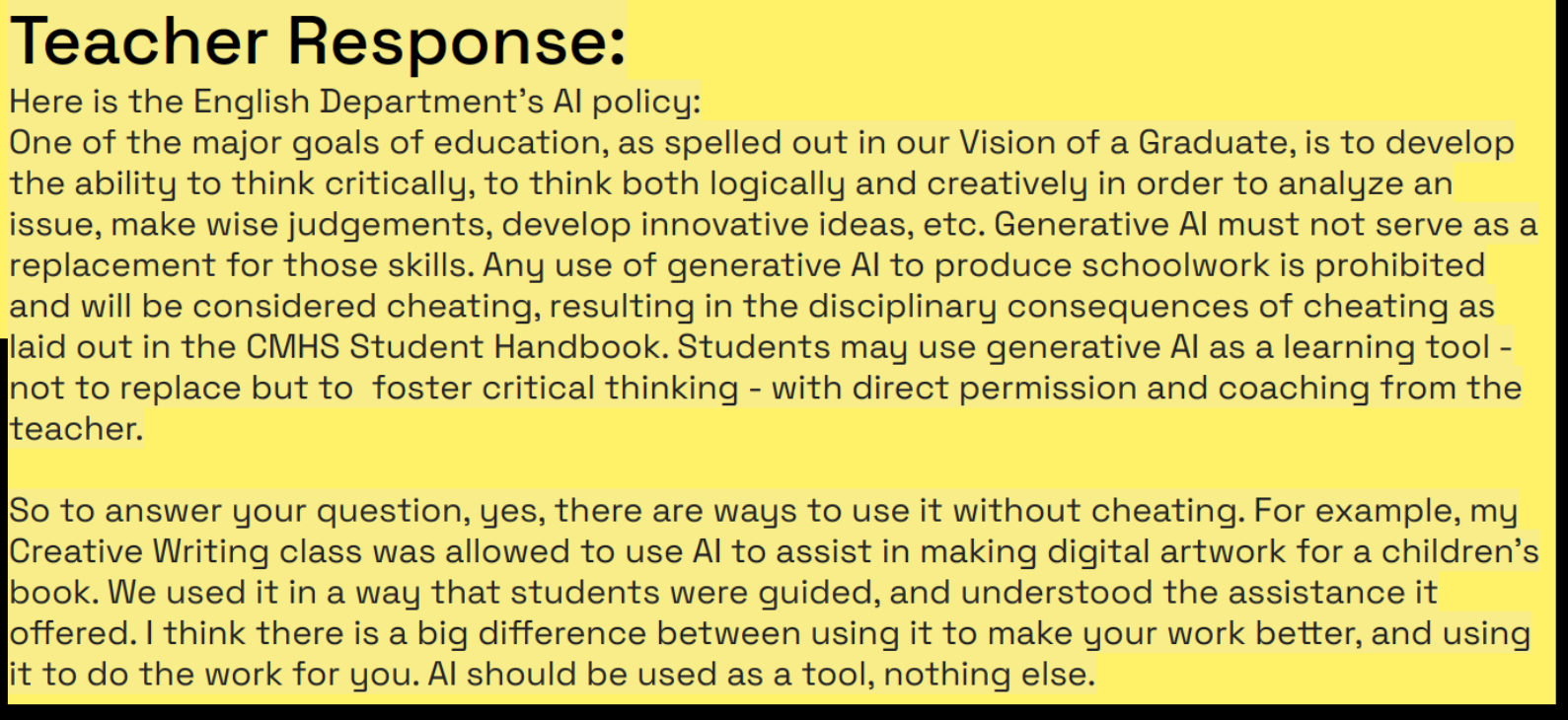
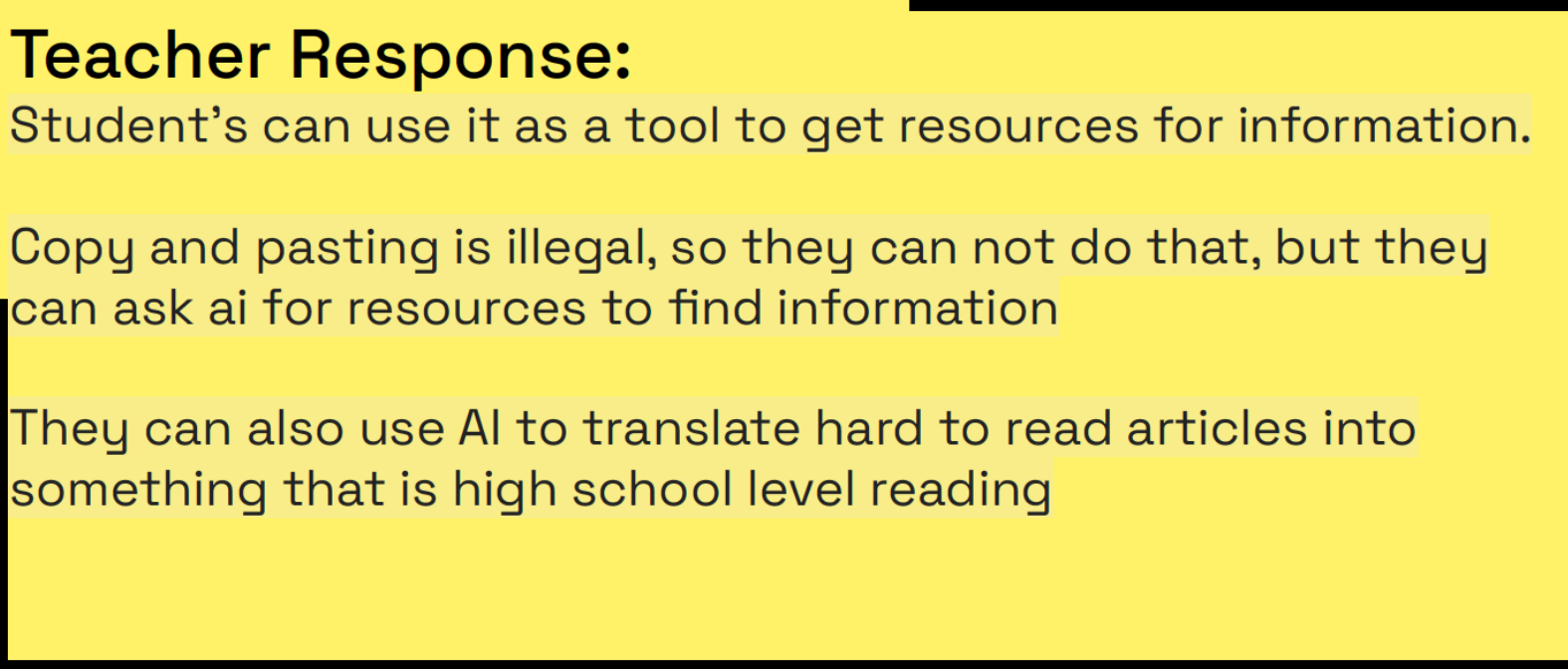
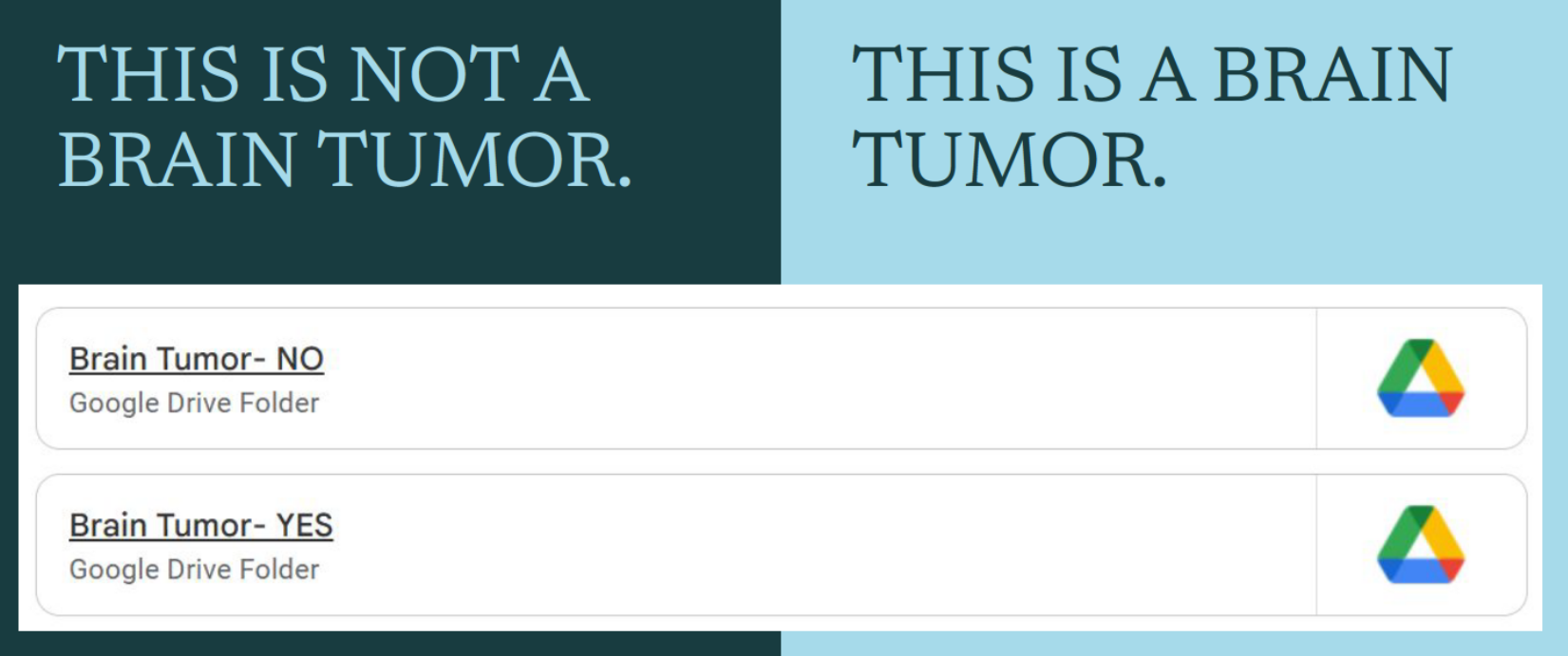
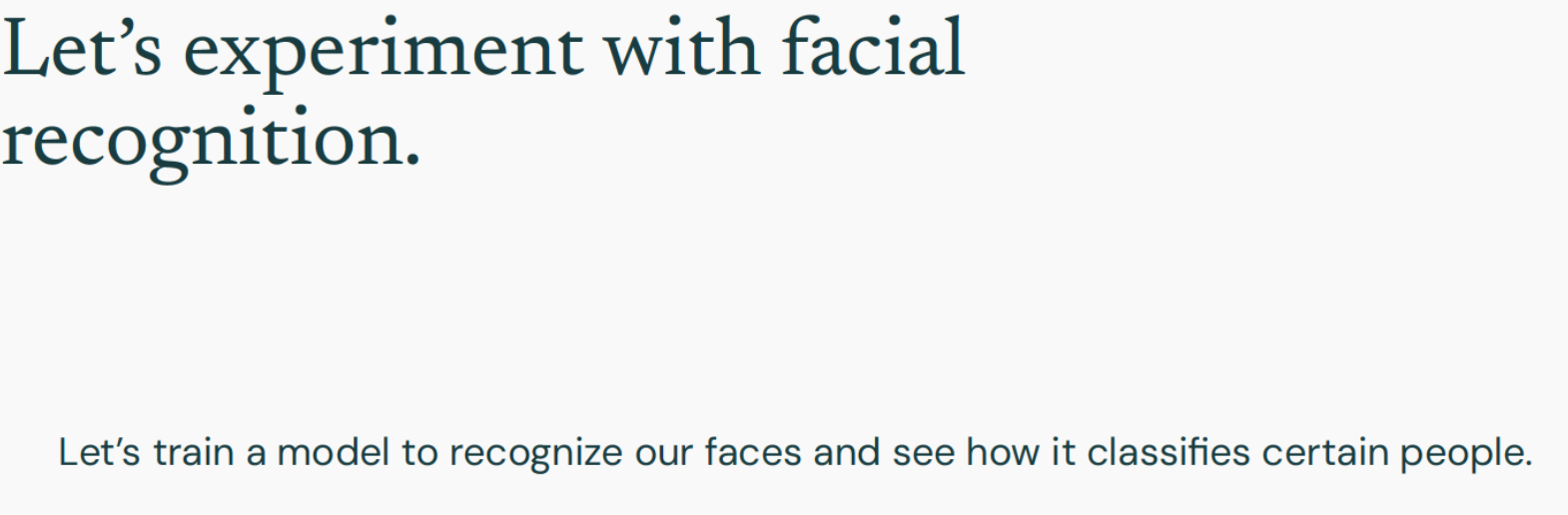
Keep in mind, these documents are close to a year old now. We know a lot more about AI and schools, and a lot of the potential dangers involved that were perhaps not as clear then. Having spent some time in the last few years in various areas of education technology, I think the starkest problem is that there is little to indicate the safety and privacy issues inherent to any AI platform, and no significant pushback or serious questioning with regards to the technology or its usage in the classroom.
The classroom lessons, however, are probably the best part of this. Clinton shared a number of the high school lessons crafted at least in part through the PLTW professional development, and they're an interesting read. A decent enough balance of critical thinking and "how to," but always in the context of assuming AI is present and part of the teaching process, which was... disappointing. Some examples:
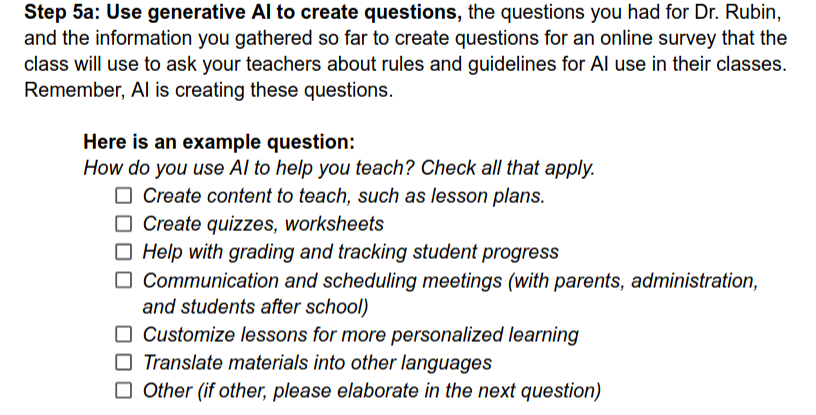
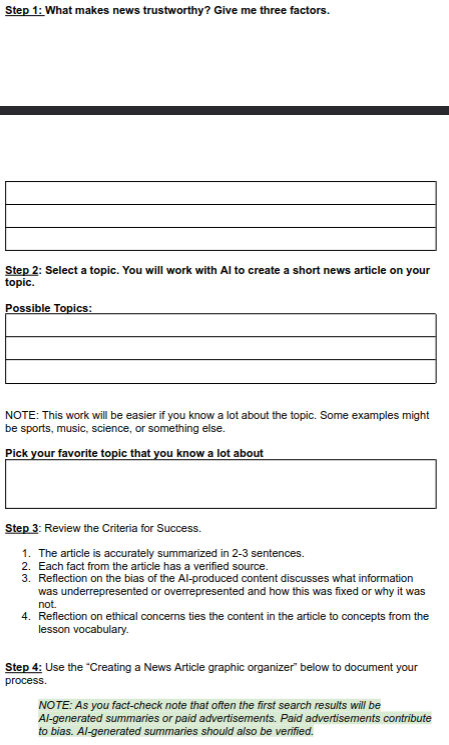
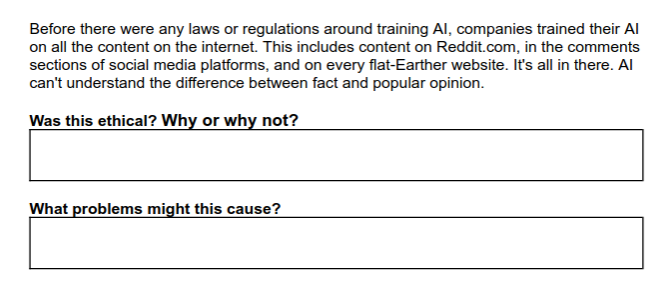
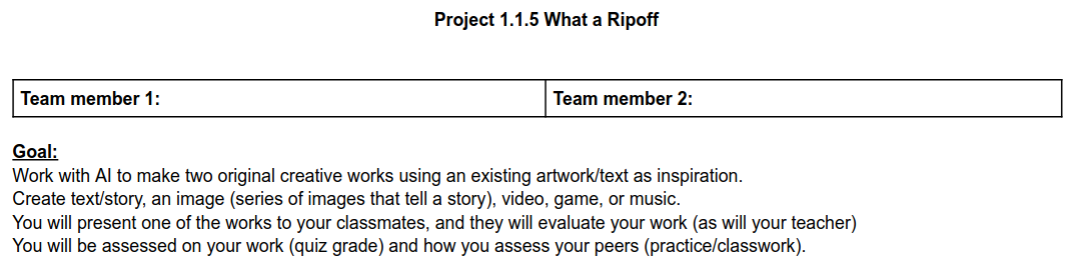
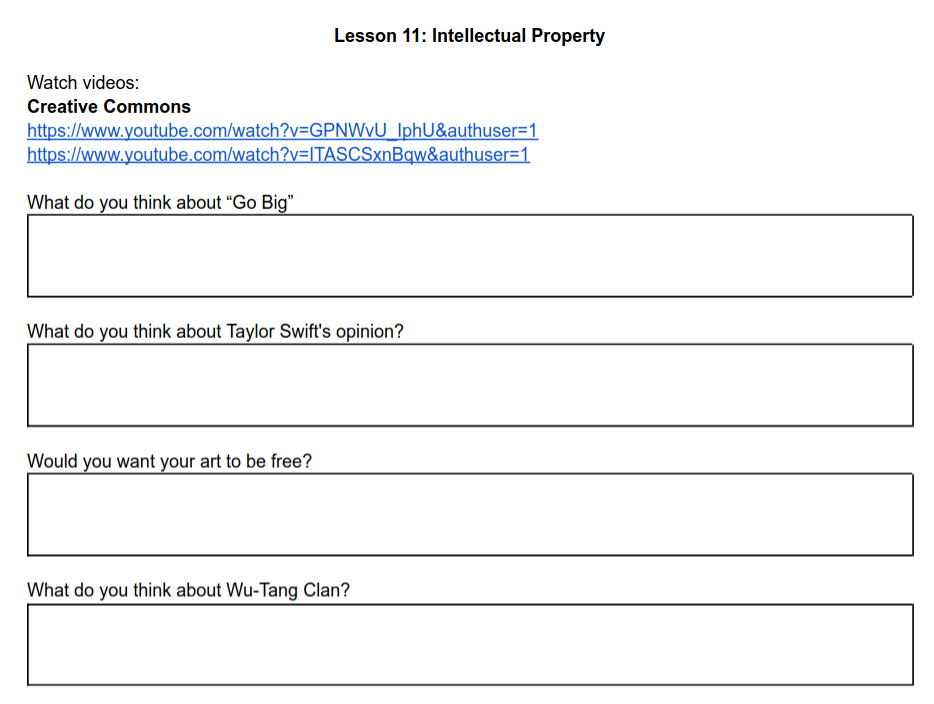
For me, Clinton's teachers seem to have their finger on the pulse to a certain extent. They're putting forward a view on AI that at least mirrors what the state is looking for (regardless of how we feel), but also not shying away from the drawbacks.
Finally, I want to highlight Superintendent Anne McKenzie of Hadley. When I sent my request, she wrote back explaining that fulfilling the ask might be difficult given the breadth of information she'd need to pull, and offered to hop on a Zoom to chat about Hadley's experience. She was a wonderful woman to have a conversation with, and she gave me a lot of information about Hadley's approach:
- Ms. McKenzie started looking at how to approach AI fairly soon after the first chatbots hit the market. Her intentions were to get ahead of it, and figure out the best path forward for her kids.
- By 2025, she had convened a team to discuss the best way to ensure "responsible, ethical, and intentional AI use" in the district. She sent me some of the questions they considered after our chat:
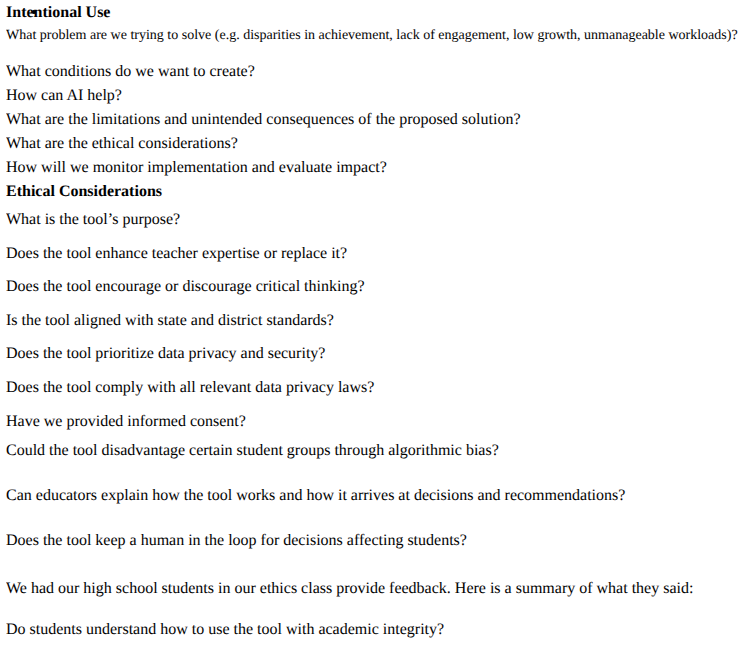
- She's actively including her kids in the conversation. This felt significant to me, and it was something she was proud of as we talked. The students have buy in to the whole of the policy and approach, and it allows her to be responsive to her district as a result. She is also actively engaging her School Committee, ensuring everyone is informed on what's next.
When we talked, she noted that the School Committee asked her to be part of the AI Pilot last year, and she was looking ahead to the next school year and what that might look like. I will likely reach out to her again before the school year starts, so stay tuned.
Project Lead the Way
This brings us to Project Lead the Way. PLTW is a non-profit organization based out of the midwest, and touts "more than 28 years equipping students with the technical knowledge, transferable skills, and career confidence they need to thrive." They're a good organization that makes a lot of difference in the world, but they missed the mark on transparency.
I reached out to PLTW since they were so prevalent throughout the records, and I was connected to a public relations organization, Finn Partners, their "agency of record" for media communications. I gave them a set of sample questions after some back-and-forth (why an NDA? How were districts enrolled? Partnerships with other state orgs?) and, after three weeks, received the following response:
Thank you for your questions. Please find below a statement addressing your questions. The statement below can be attributed to Project Lead The Way.
One additional clarification: while the September press release referred to the effort as a "pilot," the work during that period was a curriculum development initiative designed to gather educator feedback and inform course design. The Principles of AI course was still under development and was not available as a completed course for implementation.
Thank you,
Steph
+++
Project Lead The Way (PLTW) is a national non-profit that prepares PreK–12 students for careers, college, and life by equipping them with the STEM knowledge, credential preparation, transferable skills, and confidence to succeed.
In summer 2025, the Massachusetts STEM Advisory Council and the Massachusetts Technology Collaborative launched its Future Ready: AI in the Classroom pilot to empower educators with the tools, knowledge, and network to integrate AI into teaching and learning. As a supporting partner, PLTW administered a voluntary, two-day professional development course on June 24-25, 2025, to 45 Massachusetts educators. The course aimed to introduce educators to the fundamentals of AI and explore ethical and responsible classroom applications.
Massachusetts educators who successfully completed this program finished 50 hours of professional learning and were offered the opportunity to participate in a curriculum development initiative for PLTW’s Principles of AI course. This was accomplished through a combination of synchronous and asynchronous meetings and activities, and educator feedback was used to refine the course prior to completion. PLTW also provided confirmation that educators’ professional learning hours were met.
This left me with more questions than answers, honestly. While I don't blame PLTW for engaging a contractor for public relations work, I don't believe their contractor showed them in the best light here, especially given the topic at hand. While I am a bit of a transparency nut, this response left me wondering what it is the organization didn't want to disclose rather than celebrating a year of expanding knowledge and capacity in Massachusetts classrooms.
So there we have it. If there is more follow-up, I'll be sure to share it, and if you have more info you would like to share, reach out. This was illuminating in a lot of ways, most of which were in areas I didn't expect.
As for me, I'm probably going to continue to not use chatbots and wait for the inevitable heat death of the data centers, or something.
Jeff Raymond is a former columnist for the Millbury-Sutton Chronicle. He can be reached at jeff.raymond@masstransparency.org and on BlueSky at @jeff.masstransparency.org